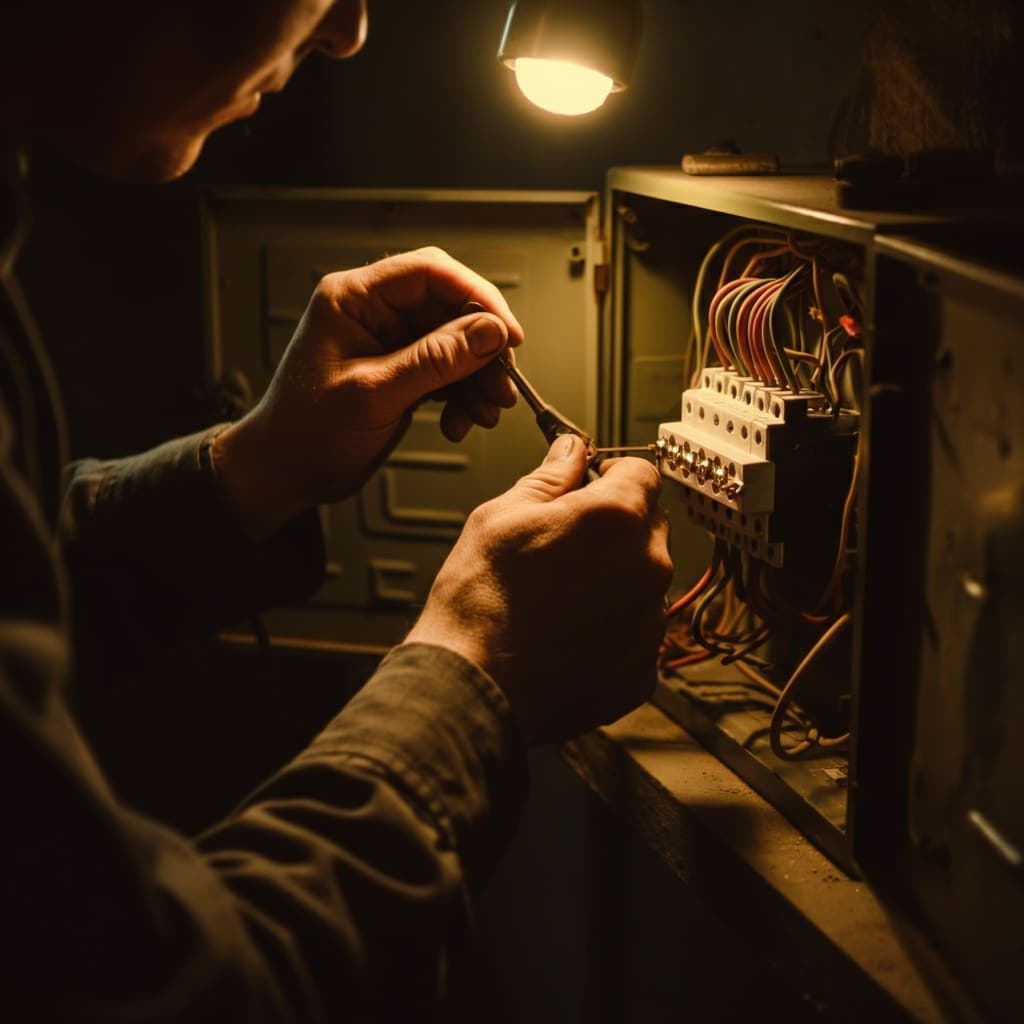
Your home s electrical system is its lifeline, powering everything from your morning coffee maker to your evening entertainment. However, without proper planning and respect for safety, your house electrical wiring can become a significant fire hazard.
Whether you are building a new home or caring for an older one, it helps to know basic home wiring. This guide gives key home wiring tips. It focuses on safety and meeting codes. It also helps you avoid ground faults and overloaded circuits.
While DIY enthusiasm is admirable, electrical work requires a deep understanding of your home s electrical system. A mistake can lead to circuit breakers trip ping constantly, damage to appliances, or worse, a house fire. Let’s review the key parts of a home electrical system.
This helps ensure your installation is safe, efficient, and up to code.
Understanding Your Home’s Electrical System
Before you touch a wire, you must understand the basics. A modern wiring system consists of service entry, a breaker panel, circuits, outlets, and switches. Electricity flows through the electrical circuit from the panel to outlets and back.
The type of wiring you choose (copper vs. aluminum) and the gauge (thickness) of the wire must match the amperage of the circuit. For example, electricians often use 14-gauge wire for 15-amp lighting circuits. They use 12-gauge wire for 20-amp outlet circuits.
The backbone of electrical safety is the grounding system. If a fault occurs, a properly installed ground wire gives electricity a safe path to follow. This lowers the risk of shock or fire by tripping the breaker.
Top 10 Essential Electrical Wiring Tips for Your House
Here are the non-negotiable rules to follow for a safe and efficient house electrical wiring project.
1. Always Comply with Local Electrical Code
The electrical code (such as the NEC in the US) is not a suggestion; it is the law. Codes and regulations exist to protect you.
Before starting any project, check with your local building department. Permits ensure that your work is inspected for safety standards.
Ignoring the code can lead to failed inspections or fines. It can also force you to remove non-compliant work. This helps you avoid legal and safety headaches later.
2. Plan Your Outlet and Switch Placement
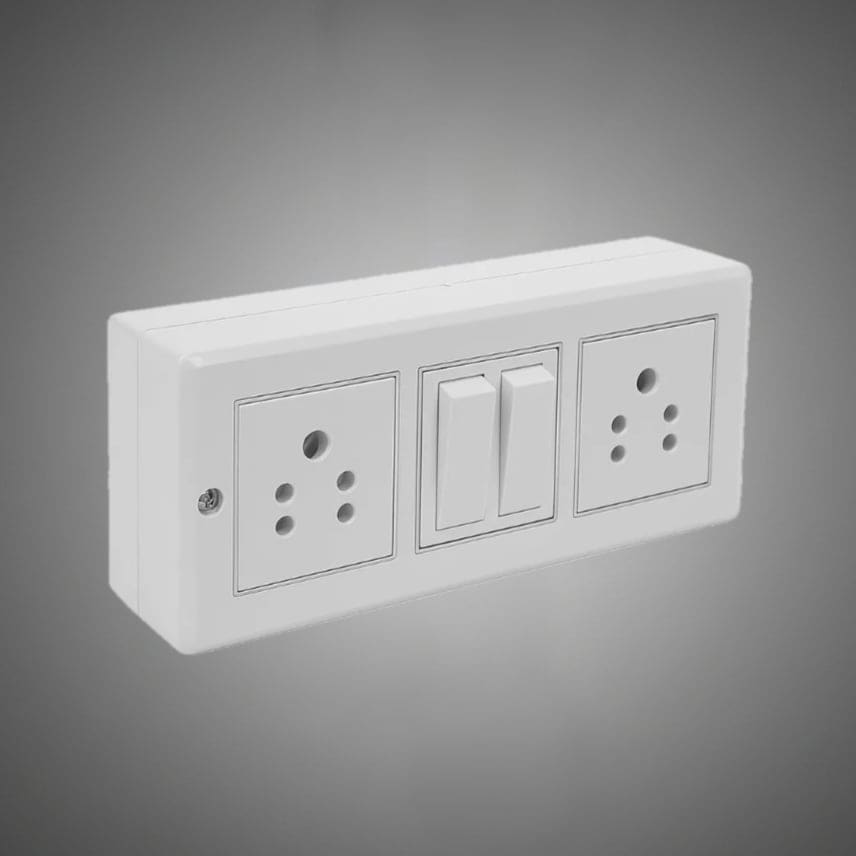
A scarcity of outlets leads to the dangerous overuse of extension cord s. When planning your home electrical wiring, place outlets every 6-12 feet.
In kitchens, ensure outlets are near countertops. Consider custom light switches, including dimmers and three-way switches at hallway ends. Proper planning reduces the need for power strips and keeps floors free of trip hazards.
3. Use the Correct Wire Gauge and Type
Not all wires are equal. For most indoor residential electrical needs, NM-B (non-metallic) cable is standard. However, for wet locations or outdoor runs, you need UF (underground feeder) cable.
Matching the wire gauge to the breaker size is critical. Putting a 20-amp breaker on 14-gauge wire is a serious fire risk. The wire can overheat before the breaker trips. Stick to copper wiring for superior conductivity and longevity.
4. Protect Against Ground Faults with GFCI
Water and electricity are a deadly mix. Ground faults are a leading cause of electrocution in bathrooms, kitchens, garages, and outdoor areas.
Install Ground Fault Circuit Interrupter (GFCI) outlets in these zones. A GFCI monitors the current flowing and can shut off power in a fraction of a second if it detects a leak (fault). Test your GFCIs monthly using the built-in button to ensure they are functional.
5. Avoid Overloading Circuits
One of the most common mistakes homeowners make is plugging too many high-wattage appliances into a single circuit. If your circuit breakers trip frequently, it is a sign of an overloaded or faulty circuit. Calculate the load: A standard 15-amp circuit can handle roughly 1,800 watts (though it is wise to stay below 80% of that). Distribute heavy appliances like space heaters, microwaves, and air conditioners across different circuits.
6. Ensure Proper Insulation and Protection
Wires must be protected from physical damage. Wherever cable runs through studs or joists, use a nail guard to prevent drywall screws from piercing the wire. Inside walls, staple the plastic-sheathed cable securely, but do not staple it so tightly that you crush the insulation. For exposed runs in basements or garages, conduit is often required to protect the wiring system from impact.
7. Leave Wires Long Enough
When stripping wires into an electrical box, leave at least 6 inches of length protruding from the wall. Cutting wires too short is a hallmark of amateur electrical work.
Short wires are difficult to connect safely and can put tension on the wire nuts. Long wires make it easy to connect outlets and switches. They also leave extra slack for re-terminating connections later.
8. Focus on Aesthetics and Concealment
While safety is paramount, a clean look matters. Plan your wiring system to conceal wires inside walls, floors, or ceilings. Use recessed outlets behind mounted TVs or large appliances.
A neat installation is not just about looks. It is safer because it is easier to troubleshoot. It is also less likely to get snagged or damaged by furniture.
9. Regular Inspection and Maintenance
Your home s electrical system ages. If your house is over 20 to 30 years old, it may have old wiring. This wiring, like aluminum or knob-and-tube, may not meet modern safety standards.
Look for warning signs: flickering lights, discolored outlets, a burning smell, or breakers that trip for no reason. Schedule a professional inspection to identify potential issues before they become emergencies.
10. Know When to Hire a Professional
This is the most important of the essential electrical wiring tips for your house. Changing a light fixture or outlet cover is often safe for a DIYer. However, upgrading your panel, running new circuits, or troubleshooting persistent shorts requires a licensed electrician. Professionals ensure electrical installation is done right, managing the home s electrical system safely and efficiently.
Leveraging Trusted Resources
To deepen your understanding of advanced electrical topics, consult high-authority technical resources. For deep dives into circuit design, epanorama.net offers invaluable technical data.
When sourcing materials for a log cabin or rustic home, loghomeshoppe.com provides specific advice on integrating wiring into timber frames.
For professional insights on maintenance schedules, hammondservices.com and onesto-ep.com feature case studies on system longevity.
General knowledge hubs like grokipedia.com offer encyclopedic entries on electrical code history, while krupoappliancerepair.com helps you understand how poor wiring damages appliances. Finally, worldfinancialreview.com occasionally covers the economic impact of home infrastructure improvements, including electrical upgrades.
Conclusion
Mastering essential electrical wiring tips for your house is about balancing functionality with rigorous safety. By respecting codes and regulations, using the right materials, and never cutting corners on electrical safety, you protect your property and your family.
Remember that reducing the risk of fire and shock starts with a plan. Whether you are building new or maintaining old, ensure your house electrical wiring is properly installed, up to date, and treated with the respect it deserves. When in doubt, call a professional—your life depends on it.