It’s 8:00 PM. Your kitchen lights are flickering fast. You’re staring at your phone after searching “electrician near me.” In our busy city, that simple question brings up hundreds of results.
These results range from certified experts to an untrained guy with a ladder. According to consumer protection groups, rushing to hire the first name that pops up is a leading cause of unsafe home repairs. Filtering through the noise to find a reliable electrician in Mumbai puts the power back in your hands.
Timing your repair effectively is the most immediate way to protect your wallet. Industry data reveals that homeowners frequently overpay because they treat minor issues as midnight disasters. If one microwave outlet stops working, but the rest of the kitchen still has power, wait until business hours.
This can help you avoid emergency fees.
Evaluating a company’s customer service during the day helps you judge how professional they are.
Do this before you book an electrician. For a quick reference to your options, review an electrician service listing in Mumbai. Compare scope, availability, and service charges with other providers.
Separating a licensed pro from a risky amateur requires just a little bit of detective work. Before inviting anyone into your home, run this two-minute "Google Filter" on their local listing:
- Check the address: Ensure they have a real local storefront or office, rather than a fake pin on a map.
- Verify review patterns: Look for sudden spikes in short, generic five-star ratings. These often suggest bots, not real neighbors.
- Look for license numbers: Legitimate contractors proudly display their verified credentials directly on their website or profile.
Is Your Home Crying for Help? 5 Warning Signs You Need an Emergency Electrical Repair Service Right Now
It’s movie night, and the living room lamp starts flashing like a strobe light. While fixing flickering lights at home, many people think it is a bad bulb.
But it can point to arcing, which is dangerous sparking, behind your drywall. This can happen when wires come loose.
They may not stay connected. This can create a lot of heat. You may need emergency electrical repair before a fire starts.
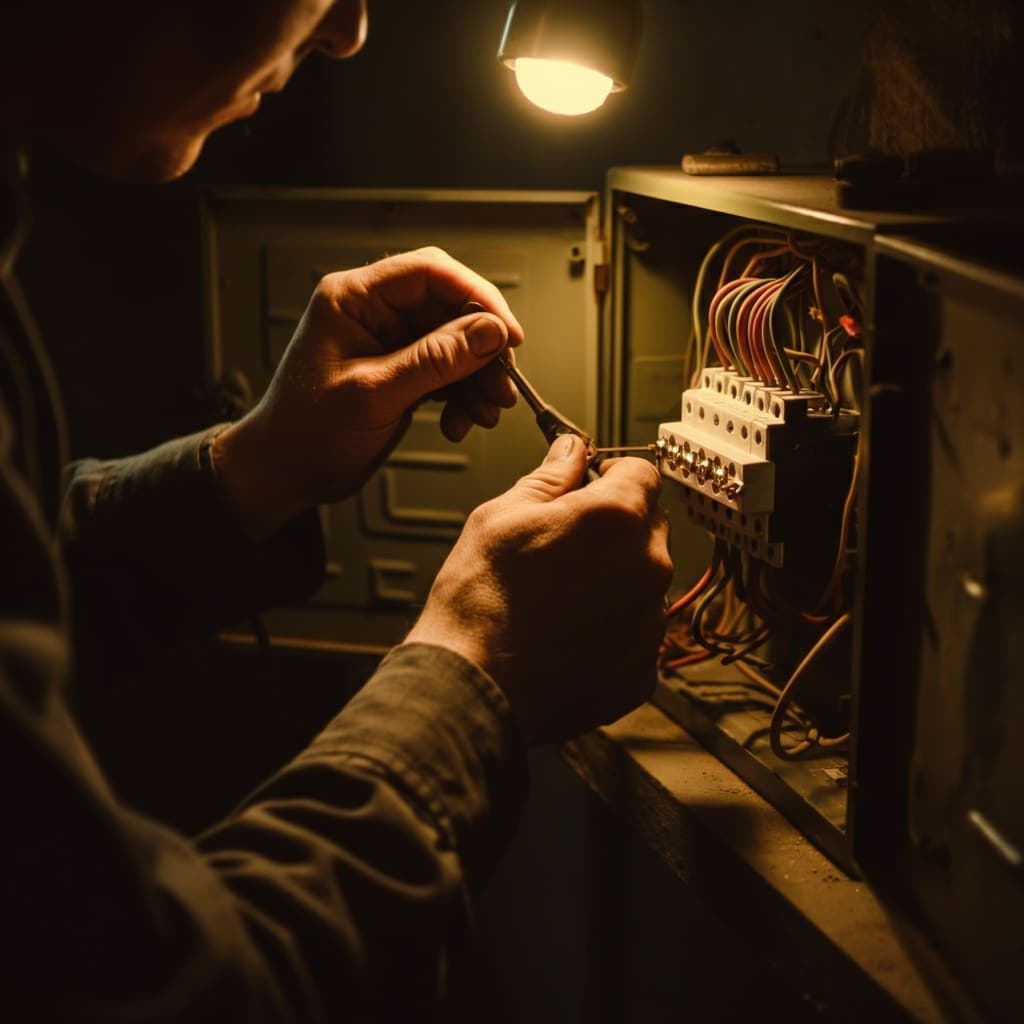
Beyond the obvious sparks, signs of dangerous house wiring often disguise themselves as subtle quirks. You need immediate electrical repairs if you notice these five critical symptoms:
- A "fishy" or burning plastic smell (melting wire insulation).
- Switch plates feeling uncomfortably hot to the touch.
- Quiet buzzing or humming sounds inside the wall.
- Breakers that frequently trip to the "Off" position.
- Visible scorch marks or charred wires around an outlet.
Whenever you spot these red flags, head straight to your electrical panel and turn the main "Safety Gate" (the largest breaker) completely off.
Shutting down power immediately stops the hazard while you call for help. With your home safe, your next concern is usually your budget. You may want a clear look at ceiling fan installation or rewiring costs.
 Mastering the Mumbai Rate Card: What a Ceiling Fan Installation or Rewiring Should Actually Cost
Knowing your home is safe brings relief, but waiting for the bill can trigger new anxiety. When an electrician arrives, they typically apply a basic service charge just to inspect the issue. After diagnosing the problem, pricing is based on an average hourly rate for electrical repairs.
It may also use flat-rate pricing, which is one fixed price for the whole job.
Flat-rate quotes are often safer for your budget because you pay for the finished repair. You do not pay for hours of troubleshooting.
To help you estimate costs before the professional arrives, here are typical price ranges for common Mumbai electrical tasks:
- Fan installation: ₹300 – ₹500.
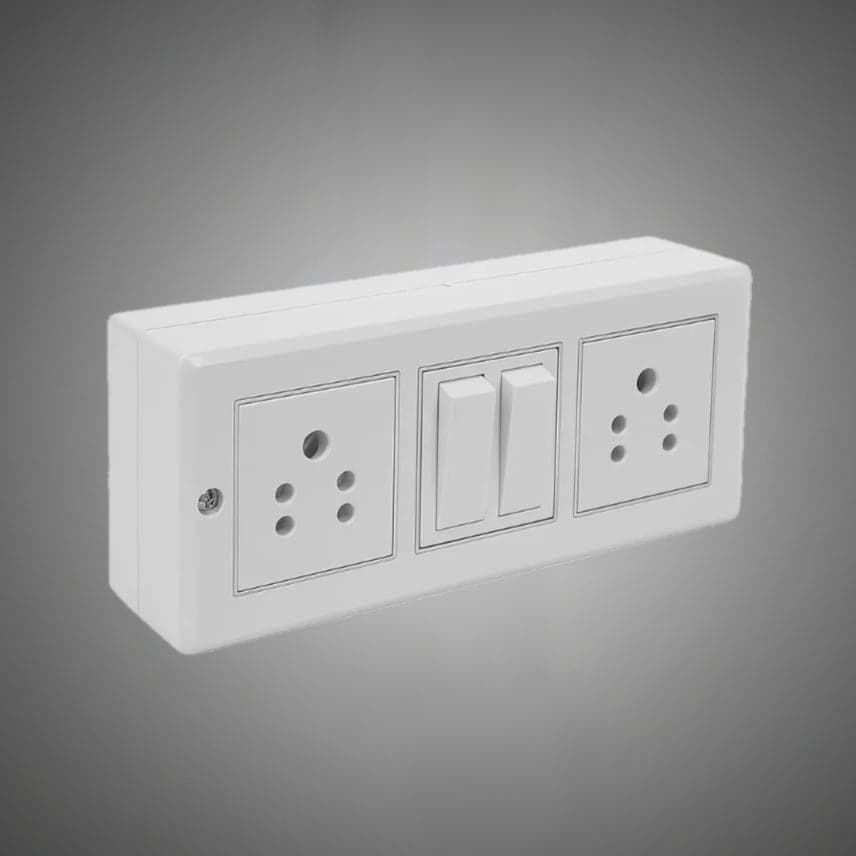
- Socket repair: ₹150 – ₹250 per switchboard.
- New AC point: ₹800 – ₹1,200.
- Full room rewire: ₹5,000+ (a baseline cost to rewire old house sections).
Before work begins, politely ask the technician for a written "Scope of Work" (a simple list of promised tasks). Having this basic agreement prevents surprise mid-job price hikes, regardless of the type of work required. It essentially locks in your flat-rate quote so the final receipt matches your initial expectations.
Protecting your wallet during a repair is important. But hiring the cheapest handyman can put your property at risk. To help prevent a future fire, you need strong “License & Insurance” protection.
That makes hiring a licensed residential electrical contractor non-negotiable.
The 'License & Insurance' Shield: Why Hiring a Licensed Residential Electrical Contractor Protects Your Wallet and Your Family
Saving a few rupees on a cheap handyman can cost you everything if a wire starts a fire. Your homeowner's insurance may reject claims caused by unlicensed work. Always protect yourself by hiring a legally licensed electrician.
The difference between a master electrician and an apprentice matters. An apprentice is still training under supervision. A master has passed strict safety exams. They also hold an official contractor’s license.
Before letting anyone open a wall, protect your wallet by exclusively hiring bonded and insured electricians. Being “bonded” ensures you get paid if the contractor abandons the project. Insurance protects you from costly accident lawsuits. Ask these three exact questions over the phone:
- "Can I see your general liability insurance?" (Covers accidental property damage to your house).
- "Do you carry worker's comp?" (Prevents you from paying medical bills if they get shocked).
- "Are you currently bonded?" (Acts as your financial safety net).
Taking one minute to check your local government portal is the easiest way to confirm an electrician’s license. Do this before you pay any deposit. Once you know your professional is legitimate, they can safely evaluate your system's limits. Adding an AC or microwave safely requires checking your home’s "highway" capacity to ensure sufficient circuit breaker support.
Your Home’s 'Highway' Capacity: Why Adding an AC or Microwave Might Require a Circuit Breaker Upgrade
Bringing home a new electrical appliance is exciting until you plug it in and the room goes dark. Your home's power capacity operates like a highway measured in amperage (total electrical flow capacity). Older electric wiring may only offer a narrow two-lane road.
Modern life often needs a four-lane setup to run smoothly.
Before buying that large air conditioner, check if your main panel has enough open slots. It must safely handle the extra load.
To prevent daily power traffic jams, heavy hitters like microwaves require dedicated circuits (a private electrical lane). When too many gadgets share one route through your electrical systems, wires overheat and trip breakers to prevent fires. If the kitchen keeps going dark at breakfast, upgrading old circuit breaker panels is the only permanent fix.
Renters often face severe risks when they lack enough outlets and create a "daisy-chain" (plugging power strips together). This dangerous habit forces massive traffic onto a single wire, easily melting the plastic insulation. Whether you are planning a small electrical fix or a whole home surge protector installation, you can catch these issues early with a routine safety check.
 The 10-Minute Home Safety Checklist: How to Spot Dangerous Wiring Before It Becomes a Fire Hazard
Knowing where your outlets are is only the beginning; ensuring they are safe is what matters. Protecting your home requires a quick home electrical safety inspection checklist. Your primary goal is creating a "Safety Zone" in high-moisture areas like bathrooms and kitchens. These damp spaces need GFCI (Water Guard) outlets to cut power instantly before shocks happen.
Avoid dangerous electrical work by spotting hidden trouble early. Perform this easy six-point monthly safety walkthrough:
- Perform a 5-second GFCI safety test (press the "Test" button to ensure power stops).
- Spot "Back-Stabbed" connections (loose wiring that wiggles during plug-in).
- Verify appliances use Grounding (Emergency Exit paths sending rogue electricity safely into the dirt).
- Feel your wall plates for unusual heat.
- Check visible cords for dangerous fraying.
- Review local electrical permit requirements for renovations before installing ground fault circuit interrupters yourself.
Catching these warning signs early keeps minor repairs affordable. If an outlet fails your test, you will know what to tell a pro on the phone. This helps set the stage for a fully powered home.
 Building Your 2024 Action Plan: The Step-by-Step Path to a Safe, Smart, and Fully Powered Mumbai Home
You no longer need to stare at a glowing screen, stressing over which professional to trust with your home's safety. By evaluating qualifications and pricing properly, hiring an electrician shifts from an anxious guessing game into a confident decision. Investing in quality electrical services does more than keep the lights on. It brings daily peace of mind and helps protect your property's resale value over time.
Take control of your next electrical project with this simple action plan:
- Shortlist 3 pros: Use your new vetting skills to identify three highly-rated local experts.
- Ask for quotes. Compare their estimates. Review your frequently asked questions. If adding modern upgrades, use a smart home automation installation guide.
- Schedule a safety audit: Book a thorough inspection to catch hidden hazards before they turn into expensive emergencies.
When the work is finished, always request a Work Completion Certificate from your contractor. This essential document proves your upgrades are code-compliant, securing both your homeowner's insurance coverage and future resale value.
Finally, open your calendar and set a recurring annual "Safety Check" reminder. You now have the knowledge to protect your biggest investment. This helps keep your home's electrical system reliable.