Finding the Best Plumber in Your Area
Few things are as easily taken for granted as a fully functioning home plumbing system. When you turn on the tap, you expect clear, clean water to flow. When you pull the plug, you expect the basin to drain quickly and quietly. But the moment a pipe bursts in the middle of the night, or a stubborn clog brings your morning routine to a screeching halt, the true value of your home’s water system becomes glaringly obvious.
Owning a home means eventually dealing with plumbing issues. Whether you are facing an urgent crisis that threatens your drywall and flooring, or you are simply looking to upgrade an outdated water heater to a more energy-efficient model, knowing who to call and what to expect is crucial. Making the right decisions today can save you thousands of dollars in water damage, structural repairs, and inflated utility bills down the road.
In this comprehensive guide, we will explore everything you need to know about navigating the world of plumbing. From distinguishing between minor DIY fixes and situations that require a seasoned professional, to understanding the latest smart home water technology, this article will serve as your ultimate resource. We will dive deep into preventative maintenance, the realities of major system upgrades, and exactly how to ensure the professionals you hire are up to the task.
The Art of Hiring the Right Professional
When water is pooling around your ankles, your first instinct might be to panic-search for quick solutions. However, taking a methodical approach to hiring a professional will ensure the job is done correctly, legally, and permanently.
Navigating the "Plumber Near Me" Search
In today's digital age, the most common first step in any home emergency is typing "plumber near me" into a search engine. While this will undoubtedly yield dozens of results, it is vital to understand that not all search results are created equal. The top result is often just the company with the highest marketing budget, not necessarily the most skilled technicians.
When evaluating these local search results, look beyond the star rating. Read the actual reviews to see how the company handles complaints and call-backs. Do they arrive on time? Do they leave the workspace clean? Are their pricing structures transparent? A reputable company offering top-tier plumbing services will have a digital footprint that reflects consistency, honesty, and deep community roots.
How to Find a Licensed Plumber
The difference between a neighborhood handyman and a licensed plumbing contractor is monumental. A handyman might be great for swapping out a showerhead, but for anything involving your home's main supply lines, sewer system, or gas lines, a license is non-negotiable.
If you are wondering how to find a licensed plumber, follow these actionable steps:
- Check State Databases: Most local government or state websites have a professional licensing portal where you can verify a contractor's credentials.
- Ask for Proof of Insurance: A licensed professional will carry both liability insurance and worker’s compensation. This protects you from being held financially responsible if the plumber is injured on your property or accidentally floods your living room.
- Look for Industry Affiliations: Memberships in organizations like the Plumbing-Heating-Cooling Contractors Association (PHCC) often indicate a commitment to ongoing education and ethical business practices.
- Request References: For major jobs, such as whole-house repiping, a confident professional will happily provide references from recent clients in your area.
Emergencies vs. Routine Maintenance
Understanding the difference between a situation that can wait until Monday morning and one that requires immediate, after-hours attention is a vital skill for any homeowner.
When to Call an Emergency Plumber
An emergency plumber is your last line of defense against catastrophic property damage. While after-hours calls come with a premium price tag, the cost of the service is negligible compared to the cost of replacing flooded drywall, ruined hardwood floors, and mold-infested insulation.
You should immediately shut off your home's main water valve and call for emergency assistance if you experience:
- Burst Pipes: Often occurring during freezing winter months, a burst pipe can pump hundreds of gallons of water into your home in a matter of minutes.
- Overflowing Toilets: If plunging doesn't stop the water from rising and the shut-off valve behind the toilet fails, you have a hazardous emergency on your hands.
- Gas Leaks: If you smell sulfur or rotten eggs near your gas water heater, evacuate the house, call your utility company, and then contact a licensed professional.
Creating a Residential Plumbing Maintenance Checklist
The best way to avoid meeting an emergency technician at 2:00 AM is to be proactive. Developing and sticking to a comprehensive residential plumbing maintenance checklist can extend the lifespan of your fixtures and pipes by decades.
Here is a practical checklist to follow twice a year:
- Check for Silent Leaks: Inspect the cabinets under your kitchen and bathroom sinks for signs of moisture, warping wood, or mold.
- Test Shut-Off Valves: Gently turn the valves behind your toilets and under your sinks to ensure they aren't rusted shut. You need these to work smoothly in a crisis.
- Inspect Water Heater Anode Rods: Checking the sacrificial anode rod in a traditional water heater can prevent the tank itself from rusting out.
- Monitor Water Pressure: Excessively high water pressure can stress your joints and pipes, leading to premature failure. Test your home's pressure to ensure it sits safely between 40 and 60 psi.
Tackling Everyday Household Annoyances
Even with perfect maintenance, minor issues will inevitably arise. Knowing how to troubleshoot these problems can save you a service call and make your daily life more comfortable.
Fixing Low Water Pressure in Shower
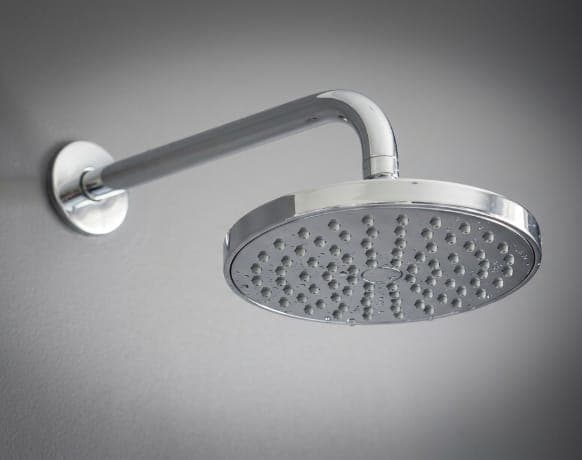
There are few things more frustrating than stepping into a shower only to be met with a weak, trickling stream of water. Fixing low water pressure in shower fixtures is a common weekend project, but it requires diagnosing the root cause.
- Mineral Buildup: If you live in an area with hard water, calcium and magnesium deposits can easily clog the tiny nozzles of your showerhead. The Fix: Remove the showerhead and soak it in a bowl of warm white vinegar overnight. Scrub the nozzles with an old toothbrush, rinse, and reinstall.
- Water Restrictors: Modern showerheads contain small plastic flow restrictors to conserve water. If yours is defective or clogged with debris, removing or replacing it can instantly restore pressure.
- Widespread Pressure Issues: If the pressure is low everywhere in the house—not just the shower—you may have a failing pressure reducing valve (PRV) on your main water line, or a hidden leak. This requires professional diagnosis.
Emergency Drain Cleaning Solutions
When the kitchen sink suddenly backs up while you are cooking dinner, you need fast, safe emergency drain cleaning solutions.
First, step away from the chemical drain cleaners. Liquid chemical drain openers rely on intense heat to dissolve clogs. This chemical reaction can warp PVC pipes and eat away at the structural integrity of older metal pipes, causing leaks that are far more expensive to fix than the original clog.
Instead, try these safer alternatives:
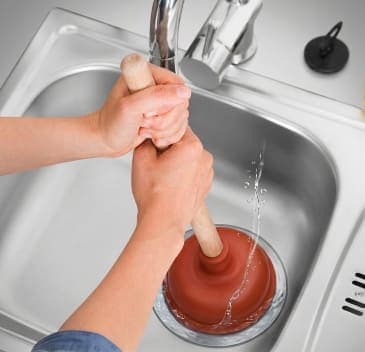
- The Trusty Plunger: Ensure you are using the right plunger. A standard cup plunger is for sinks and tubs, while a flanged plunger is required to form a proper seal in a toilet.
- Baking Soda and Vinegar: Pour half a cup of baking soda down the drain, followed by a cup of white vinegar. Cover the drain with a rag to force the fizzing action downward. After 15 minutes, flush with a kettle full of boiling water.
- Enzymatic Cleaners: For slow-moving drains caused by organic buildup (like hair or grease), enzymatic bio-cleaners use natural bacteria to eat away the clog overnight without harming your plumbing.
Hydro Jetting for Stubborn Clogs
When plungers and natural remedies fail, it is time to bring out the big guns. For severe, recurring blockages—especially those involving grease, heavy sludge, or intrusive tree roots in the main line—snaking is often not enough. A traditional auger only punches a hole through the blockage, leaving debris on the pipe walls that will quickly catch new debris and clog again.
This is where hydro jetting for stubborn clogs comes in. This professional service uses a specialized hose with a multidirectional nozzle that blasts water at incredibly high pressures (up to 4,000 psi). It doesn't just pierce the clog; it violently scours the entire interior diameter of the pipe, flushing years of grease, mineral scale, and root intrusions down into the city sewer. It essentially restores the pipe to a "like-new" condition from the inside out.
Major Upgrades: Making the Right Investment
Your home’s plumbing is an investment. When major components reach the end of their lifespan, you are faced with choices that will impact your home's value and your daily utility costs.
Tankless vs Traditional Water Heaters
Water heating accounts for a massive portion of a home's energy usage. When your old tank heater starts leaking or failing to produce hot water, the debate between tankless vs traditional water heaters takes center stage.
Traditional Tank Water Heaters:
- How they work: They store 40 to 80 gallons of water and constantly expend energy to keep that water hot, day and night, regardless of whether you are using it (known as standby heat loss).
- Pros: Lower upfront installation costs, simple technology, and instantaneous flow when the tap is opened.
- Cons: Limited supply of hot water (once the tank is empty, you're taking a cold shower), higher monthly energy bills, and a shorter lifespan (typically 8 to 12 years). Furthermore, when they fail, they often flood the surrounding area.
Tankless (On-Demand) Water Heaters:
- How they work: They use high-powered gas burners or electric coils to rapidly heat water only as it passes through the unit.
- Pros: Endless hot water (perfect for large families taking back-to-back showers), significant energy savings (no standby heat loss), space-saving wall-mounted design, and a longer lifespan (often 20+ years).
- Cons: High initial purchase and installation cost (often requiring upgraded gas lines and specialized venting), and occasional "cold water sandwiches" if the flow rate isn't perfectly calibrated.
Ultimately, if you plan to stay in your home for more than five years and have the upfront budget, a tankless system is a brilliant, eco-friendly upgrade.
PEX vs Copper Piping for Whole-House Repiping
Homes built before the 1970s often feature galvanized steel pipes, which inevitably rust from the inside out, causing severe water discoloration and pressure drops. When it comes time to rip out the old lines, homeowners face a critical material choice: PEX vs copper piping for whole-house repiping.
Copper Piping:
- The gold standard for decades, copper is incredibly durable, fire-resistant, and naturally bacteriostatic (meaning it inhibits the growth of bacteria within the water supply).
- However, copper is rigid, requiring hundreds of soldered joints to navigate a home's framework. This makes installation labor-intensive and expensive. Copper is also susceptible to freezing and bursting if not properly insulated, and the raw material cost is subject to wild market fluctuations.
PEX (Cross-linked Polyethylene):
- PEX is a highly durable, flexible plastic tubing. Its flexibility means it can be snaked through walls with minimal drywall destruction, significantly cutting down on labor costs and installation time.
- Because it expands slightly under pressure, PEX is highly resistant to freezing and bursting. It does not corrode, meaning it won't affect water pressure or quality over time. The main downside is that PEX cannot be exposed to direct UV light (sunlight degrades the plastic) and cannot be directly connected to a water heater without a copper buffer.
For most modern residential repiping projects, PEX has become the overwhelming favorite due to its cost-effectiveness, speed of installation, and resilience in cold climates.
Protecting Your Home from Catastrophic Water Damage
A dripping faucet is an annoyance; a flooded basement or a raw sewage backup is a nightmare. Understanding the warning signs of major failures is essential for protecting your property.
Main Sewer Line Backup Signs
Your main sewer line is the single pipe that carries all the wastewater from your toilets, sinks, and showers out to the municipal sewer or your private septic tank. When this line fails, the results are deeply unsanitary and highly destructive. Recognizing main sewer line backup signs early can save you from a biological hazard in your living space.
Watch out for these red flags:
- Multiple Drain Backups: If your kitchen sink, bathroom sink, and shower are all draining slowly at the same time, the problem isn't a local clog; it's deep within the main line.
- Water Backing Up in Odd Places: If you flush the toilet and water immediately gurgles up into your shower drain, wastewater is hitting a blockage in the main line and being forced backward to the lowest point of entry in your home.
- Foul Odors: The smell of raw sewage emanating from your drains or lingering in your yard is a clear indicator of a cracked or clogged sewer line.
- Lush Patches of Grass: If one specific patch of grass in your yard is suddenly much greener, taller, and faster-growing than the rest, it may be receiving underground "fertilizer" from a leaking sewer pipe.
Preventing Basement Flood During Heavy Rain
For homes with below-grade foundations, heavy spring storms can pose a serious threat. Preventing basement flooding during heavy rain requires a multi-layered approach to exterior water management.
- Gutter Maintenance: Your roof catches thousands of gallons of water during a storm. If your gutters are clogged with leaves, that water pours directly down the side of your house, pooling at the foundation. Clean your gutters twice a year and ensure downspouts extend at least six feet away from the house.
- Proper Grading: The soil around your home should slope away from the foundation. Over time, soil settles. If the ground slopes toward your house, surface water will inevitably find its way into your basement.
- Window Wells and Covers: If you have basement windows, ensure the window wells are clean and fitted with clear acrylic covers to deflect rainwater away from the vulnerable window seams.
Signs You Need a New Sump Pump
If water does breach your foundation, your sump pump is your last line of defense. However, these hardworking appliances do not last forever. Knowing the signs you need a new sump pump ensures you replace it before a storm hits, not during one.
- Loud, Unusual Noises: A healthy sump pump emits a low hum. If you hear grinding, rattling, or squealing, the motor bearings are likely failing, or the impeller is jammed.
- Running Constantly: If the pump runs continuously regardless of the weather, it may be underpowered for the volume of water, the check valve may be broken (allowing water to flow back into the pit), or the float switch may be stuck.
- Failure to Turn On: Test your pump every spring by pouring a few buckets of water into the pit. If the water level rises past the float switch and the pump remains silent, you need a replacement immediately.
- Age: The average lifespan of a residential sump pump is 7 to 10 years. If your unit is approaching a decade of service, proactive replacement is the safest route.
Smart Prevention and Advanced Technologies
The plumbing industry has evolved dramatically over the last decade. Today, prevention is driven by high-resolution cameras and smart home integration.
Benefits of Routine Pipe Inspections
Gone are the days of digging up a front yard on a hunch. Today, professionals use specialized, waterproof fiber-optic cameras attached to flexible cables to travel deep within your plumbing network.
The benefits of routine pipe inspections are immense, particularly before purchasing a new home or if you live in an older property with mature trees. A camera inspection can visually confirm the presence of invasive tree roots, identify sagging pipes (bellied lines) that catch debris, pinpoint the exact location of cracks or crushed pipes, and determine the overall material and condition of your sewer line. This precise diagnostic tool takes the guesswork out of plumbing, allowing for targeted repairs rather than sweeping, expensive replacements.
Smart Leak Detection System Installation
Perhaps the greatest advancement in home plumbing in recent years is the rise of the smart water monitor. A smart leak detection system installation is a relatively affordable upgrade that provides unparalleled peace of mind.
These systems are installed directly onto your home’s main water supply line. Using ultrasonic technology and AI algorithms, they monitor your home's typical water usage patterns. If the system detects an anomaly—whether it’s a massive surge from a burst pipe or a tiny, continuous micro-leak from a running toilet—it instantly sends an alert to your smartphone.
More importantly, the best smart leak detectors feature an integrated automatic shut-off valve. If a catastrophic leak is detected while you are away on vacation, the system will autonomously shut off the water to your entire house in seconds, effectively stopping a devastating flood before it happens.
How to Winterize Outdoor Faucets
Preventative maintenance isn't just about technology; it's also about seasonal preparation. In cold climates, a frozen outdoor spigot can burst the pipe just inside the wall of your home, causing massive interior damage. Knowing exactly how to winterize outdoor faucets is a crucial autumn chore.
Follow these simple steps before the first freeze:
- Disconnect All Hoses: Never leave a garden hose attached during the winter. Even a frost-proof sillcock will freeze and burst if a hose is attached, as the hose traps water inside the fixture. Store hoses in the garage or shed.
- Locate the Interior Shut-Off Valve: Find the shut-off valve inside your home that controls the water supply to the outdoor faucet (usually located in the basement, crawlspace, or utility room). Turn it completely off.
- Drain the Remaining Water: Go back outside and open the outdoor faucet. Let whatever water is trapped in the pipe trickle out. Leave the faucet handle in the "open" position throughout the winter to allow any remaining droplets room to expand if they freeze.
- Install an Insulated Cover: For an extra layer of protection, purchase an inexpensive foam faucet cover from your local hardware store and strap it tightly over the exterior spigot.
Understanding Costs and Legal Compliance
Plumbing work is notoriously complex, and navigating the financial and regulatory aspects can be daunting for the uninitiated homeowner.
Average Cost of Professional Pipe Repair
Homeowners often experience sticker shock when handed an estimate for plumbing work. Understanding the average cost of professional pipe repair helps you budget effectively and recognize when a quote is fair or wildly inflated.
Costs vary dramatically based on geographic location, accessibility, and the materials used. Generally:
- Minor Leak Repair: Fixing a simple accessible leak under a sink typically ranges from $150 to $350.
- Sewer Line Repair: If a section of your underground sewer line has collapsed, repairs can range from $1,500 to $3,000. If the entire line needs replacement, costs can soar between $5,000 and $10,000+, especially if trenching through driveways or sidewalks is required.
- Whole-House Repiping: Replacing all the supply lines in an average 2-bathroom home with PEX usually costs between $4,000 and $8,000. Opting for copper can push that figure well over $10,000 due to material and labor costs.
Remember, when you pay a professional, you are not just paying for the time they spend turning a wrench. You are paying for their licensing, insurance, specialized tools, travel time, and the deep expertise required to ensure the repair is permanent and safe.
Common Household Plumbing Code Violations
DIY plumbing projects are heavily romanticized on the internet, but incorrect installations can lead to toxic gas leaks, structural rot, and severe legal headaches when it comes time to sell your home. A professional inspector will easily spot amateur work.
Some of the most common household plumbing code violations include:
- Improper Venting: Every drain requires access to air to flow properly (think of holding your finger over a straw). If a DIY remodel failed to tie a new sink into the home's vent stack, the drain will gurgle, flow slowly, and potentially siphon the water out of the P-trap, allowing lethal sewer gases into the room.
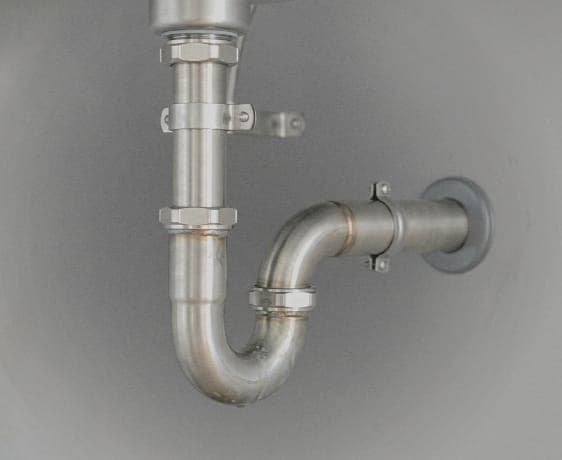
- S-Traps Instead of P-Traps: Older homes and amateur remodels often feature "S-traps" beneath sinks. These are no longer code-compliant because their shape makes it too easy for water to be siphoned out of the curve, breaking the seal that blocks sewer gases. Modern building codes require "P-traps" exclusively.
- Incorrect Slope on Drain Pipes: Wastewater pipes rely on gravity. Code requires a very specific slope (usually 1/4 inch of drop per foot of pipe). If a pipe is too flat, water pools and solids build up, causing constant clogs. If the slope is too steep, the water rushes away too fast, leaving solid waste behind to dry out and form massive blockages.
- Mixing Pipe Materials Unsafely: Connecting two dissimilar metals, such as galvanized steel and copper, without using a specialized dielectric union will trigger a chemical reaction called galvanic corrosion. The pipes will rapidly deteriorate and leak at the joint.
Conclusion
Your home’s plumbing is an intricate, vital network that works tirelessly behind the scenes. From the moment you wash your face in the morning to the time the dishwasher runs at night, your quality of life depends on the health of your pipes, drains, and water heaters.
Taking a proactive approach—from understanding the nuances of smart leak detectors to scheduling seasonal maintenance and acknowledging when hydro-jetting is necessary—transforms you from a reactive victim of plumbing disasters into an empowered homeowner. Furthermore, taking the time to research and build a relationship with a highly qualified, licensed professional before disaster strikes ensures that when you do need help, you are in the safest possible hands.
By keeping a close eye on water pressure, respecting your drains, and investing in high-quality materials and modern tech, you can ensure that your home's water system remains safe, efficient, and reliable for decades to come.